Sign height and angle: why a smaller card at eye level wins

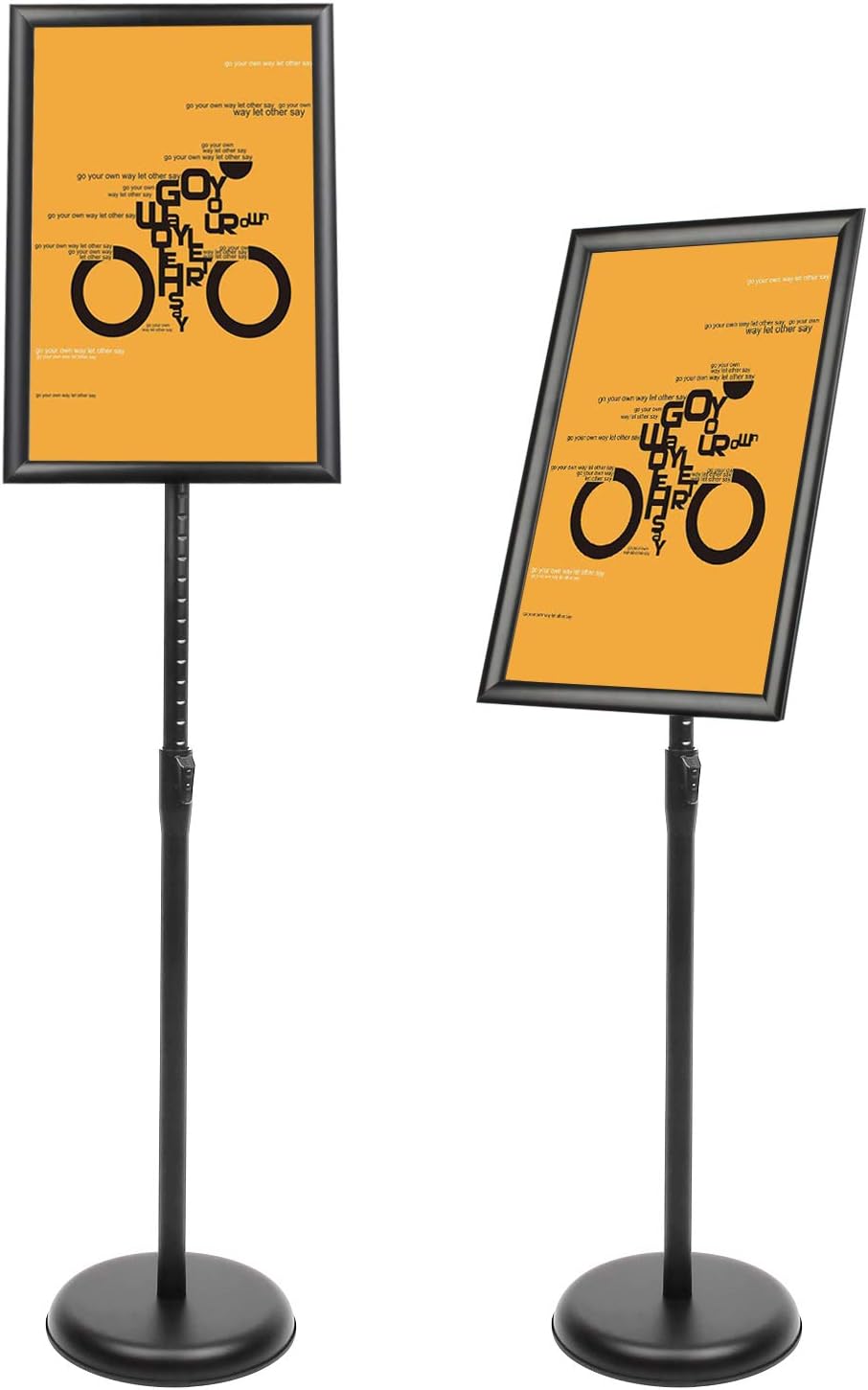
Many retailers instinctively think bigger is better when it comes to promotional signage. The common assumption is that a large sign, placed high up, will catch every eye and convey its message effectively across the entire shop floor. However, this approach often overlooks fundamental principles of human perception and customer behaviour, leading to missed opportunities and messages that simply don’t land.
In reality, a more strategic approach often yields superior results. Focusing on smaller, well-placed cards positioned at eye level can significantly enhance readability, engagement, and ultimately, sales. This strategy taps into how people naturally scan their environment and interact with products, turning a simple price tag or promotional message into an active part of the customer’s decision-making process.
The Folly of Overhead Signage
Placing signs high above shelves might seem like a way to ensure visibility from a distance. However, this often places the information outside the customer’s natural field of vision for browsing. Shoppers primarily look forward and downwards, focusing on the products themselves, rather than constantly craning their necks upwards to decipher messages.
High signs also present challenges for readability. The text often needs to be excessively large to be legible from afar, which can limit the amount of information conveyed. Furthermore, the angle makes it harder to read, especially for those with varying visual acuities, turning what should be an informative display into a visual strain.
The Cone of Vision
Our eyes naturally operate within a ‘cone of vision’ – a relatively narrow area where we comfortably focus without moving our head. When browsing a retail environment, this cone is typically directed forward and slightly downwards, scanning shelves and displays at roughly waist to chest height. Signs placed outside this immediate comfort zone are simply less likely to be noticed.
Effective signage leverages this natural human tendency. By positioning promotional cards and product information within this primary viewing area, retailers significantly increase the chances of the message being seen and absorbed. It’s about working with how people naturally interact with their surroundings, rather than fighting against it with awkwardly placed displays.
Readability and Comfort
Consider the effort involved in reading. A sign placed too high requires the customer to stop, look up, and often tilt their head back. This is an uncomfortable and unnatural posture that most shoppers will avoid, especially if they are in a hurry or browsing casually. Comfort is key to encouraging engagement with any displayed information.
Eye-level placement, by contrast, allows for effortless reading. The customer doesn’t need to adjust their posture or strain their eyes; the information is simply there, directly in their line of sight. This ease of access encourages a quicker scan and better retention of the message, making the sign far more effective in its purpose.
The Power of Proximity
A smaller sign placed directly alongside or beneath the product it refers to creates an undeniable link. This immediate association helps customers connect the message—be it a price, a special offer, or key features—with the item they are actively considering. Proximity ensures clarity and eliminates any ambiguity about which product the sign applies to.
This direct link enhances the customer’s decision-making process. They don’t have to search for relevant information; it’s presented precisely when and where it’s most valuable. Counter display stands and acrylic risers excel here, lifting products and accompanying signs to an optimal height, making both the item and its details easily accessible.
Engagement Through Detail
While large, high signs often rely on bold, minimal text, smaller eye-level signs permit more detailed communication. Customers are more willing to read a few extra lines of text when the sign is comfortable to view and directly relevant to an item they’re already interested in. This allows for conveying value propositions, benefits, or unique selling points.
This deeper engagement fosters a stronger connection with the product. Instead of just seeing a price, the customer can understand why the product is valuable, or how a special offer truly benefits them. Magnetic grippers and small sign holders are perfect for attaching these informative cards precisely where they are needed most.
Optimising Counter Space
Maximising Visual Impact
Countertops are prime retail real estate, often serving as the final point of purchase decision or for impulse buys. Using acrylic risers and counter display stands effectively elevates products and their accompanying smaller signs, making them stand out without cluttering the valuable surface. This creates a neat, organised, and appealing display.
These fixtures allow for multi-tiered displays, presenting several products and their individual price cards or promotional messages at varying, yet still optimal, eye-level heights. Such arrangements draw attention to specific items, encouraging closer inspection and making the most of limited counter space in an impactful, customer-friendly way.
Floor Stands for Flexibility
Guiding the Customer Journey
While the focus is on eye-level, floor stands offer a versatile way to present signs at various heights, including the ideal customer eye-level. They are particularly effective for directing traffic, highlighting aisle-end promotions, or showcasing featured products that might not be on a shelf. Their mobility allows for dynamic shop floor layouts.
Modern floor stands often feature adjustable sign holders, ensuring messages can be positioned precisely for maximum impact. Whether it’s a large graphic announcing a sale or a smaller card detailing a specific product benefit, the ability to control height and angle means your message always meets the customer’s gaze effectively.
Magnetic Grippers and Strips
For ultimate flexibility and precise placement, magnetic grippers are invaluable. These small, strong fixtures allow retailers to attach signs directly to metal shelves, display cases, or even product baskets, ensuring the message is right next to the item. They are quick to reposition, making seasonal changes or daily specials a simple task.
Similarly, hanging merchandise strips can hold multiple smaller cards or product samples, often hanging from shelf edges or existing fixtures. This positions multiple pieces of information directly in the customer’s immediate browsing view, optimising impulse purchases and clearly communicating offers at the point of decision.
The short version
- Prioritise Eye-Level Placement: Position signs directly in the customer’s natural field of vision, roughly between waist and chest height, for effortless readability and increased engagement.
- Connect Signage to Product: Ensure small cards are placed immediately adjacent to the item they refer to, using fixtures like acrylic risers or magnetic grippers for clear association and reducing ambiguity.
- Embrace Versatile Fixtures: Utilise floor stands for adjustable height and flexible placement, and counter display stands to maximise prime retail space with impactful, accessible messages.
Where to go next
Everything discussed here sits under Sign Holders and Stands in our shop. Delivery and returns are set out on the Shipping Policy and Refund and Returns Policy pages. If something here does not answer your question, ask us directly — we would rather talk it through than have you buy the wrong thing.