Hanging strips and clip strips: cross-merchandising without new shelving

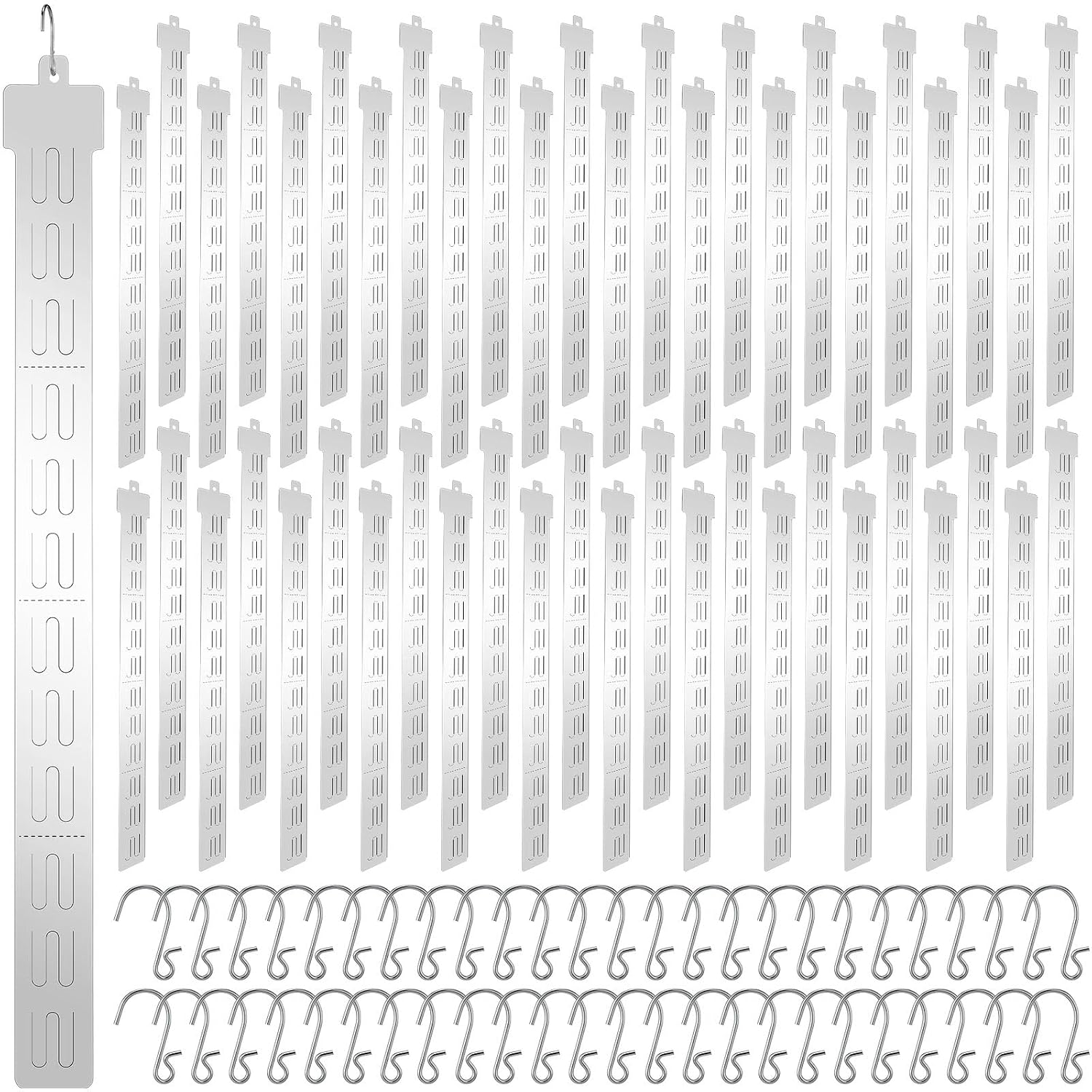
In the dynamic world of retail, every square inch of selling space is valuable, and the challenge for many shop owners is how to maximise sales without undertaking costly refurbishments or expanding their footprint. The desire to cross-merchandise – placing complementary items together to encourage additional purchases – often feels like it requires significant investment in new shelving units, specialised displays, or a complete re-layout of the shop floor.
However, effective cross-merchandising doesn’t always demand a substantial overhaul. Sometimes, the most impactful solutions are also the simplest and most cost-effective. This is precisely where humble yet powerful tools like hanging strips and clip strips come into their own, offering an agile way to boost impulse buys and enhance the customer shopping experience with minimal fuss.
The Core Concept: What are We Talking About?
Hanging strips, also widely known as merchandising strips or impulse strips, are essentially flexible or rigid lengths of material fitted with a series of clips, hooks, or pegs. Their primary purpose is to display multiple small, lightweight items in a linear fashion, typically suspended from existing shelving, wire racks, or other fixtures. They are designed to catch the eye and prompt an immediate, often unplanned, purchase.
Clip strips are a specific variant of hanging strips, often made from metal or durable plastic, featuring a row of spring-loaded clips rather than pegs or hooks. These are particularly effective for holding blister-packed goods, small bags, or items with integrated hanging tabs. Their design ensures products are held securely yet remain easy for customers to remove, making them a versatile choice for a wide array of small merchandise.
Why Cross-Merchandise? The Undeniable Logic
The fundamental principle behind cross-merchandising is to gently guide customers towards purchasing additional items that complement their primary intended purchase. Imagine buying a new mobile phone and seeing a screen protector or a charging cable conveniently displayed right next to it. This strategy leverages the customer’s existing buying intent to suggest related products they might need or want.
This approach effectively taps into both customer convenience and the tendency for forgotten needs. By placing relevant secondary items in close proximity, you eliminate the need for customers to search other aisles, potentially saving them a trip and ensuring they leave with everything they require. This not only improves their shopping experience but also significantly increases the average transaction value for your shop.
Beyond the Checkout: Strategic Placement Opportunities
While hanging strips and clip strips are frequently seen at checkout counters, where they capitalise on impulse buys during waiting times, their utility extends far deeper into the shop. Limiting their placement to just the till area overlooks a wealth of strategic opportunities to integrate cross-merchandising directly within product categories, enhancing the overall shopping journey.
Consider placing batteries right next to electronic toys, or displaying small tubes of superglue alongside craft kits. Gravy mixes can hang near the fresh meat counter, while shoe laces and cleaning sprays belong near the footwear section. By integrating these strips within the relevant aisles, you create logical, context-specific prompts that feel helpful rather than overtly sales-driven, making the additional purchase a natural extension of their primary selection.
Choosing the Right Strip for Your Stock
Selecting the appropriate hanging strip or clip strip is crucial for effective display. Materials vary; plastic strips are typically lighter and ideal for very small, low-weight items, offering flexibility in design. Metal strips, on the other hand, provide greater durability and can support slightly heavier products or withstand more frequent handling, making them suitable for busy environments.
Beyond material, consider the mechanism of attachment and the clip type itself. Many strips come with S-hooks for easy hanging from existing wire shelving or pegboards. Others might feature an adhesive backing for flat surfaces. The actual clips can range from simple j-hooks for pre-punched packaging to more secure spring clips for items that need a firmer grip, each designed to suit different product packaging and display needs.
Clip Types Explained
The variety of clip mechanisms available caters to diverse product packaging. J-hooks are excellent for items with a pre-punched hole, allowing for quick loading and unloading. Spring clips offer a stronger grip, ideal for items that might sag or fall if not securely held, such as blister packs or small bags of sweets. Some strips feature small, integrated pegs which are perfect for displaying multiple small, individual items.
Understanding these subtle differences allows you to match the strip to your product perfectly, ensuring items are displayed safely, tidily, and effectively. Whether you are hanging sachets, small tools, or accessories, there is a clip type designed to present them optimally, preventing products from slipping off or becoming disorganised, which can deter potential buyers.
Curating Your Impulse Collection
The success of hanging and clip strips hinges significantly on the judicious selection of products. Prioritise small, relatively inexpensive items that are often purchased on impulse or as an afterthought. These products typically carry a higher profit margin, making them ideal candidates for this form of merchandising, as they contribute significantly to overall revenue without requiring deep consideration from the customer.
Crucially, ensure a clear and logical complementary relationship between the item on the strip and the main product it is placed alongside. The connection should be immediately apparent to the customer, requiring no explanation. Avoid random placements; an item like batteries next to a torch makes perfect sense, but batteries next to fresh produce would simply confuse and deter shoppers.
Visual Appeal: Making Products Irresistible
Even the most strategically placed product on a hanging strip can fail if its presentation is poor. Ensure that products are consistently faced forward, evenly spaced, and that the strip itself is not overcrowded. A cluttered or messy strip looks untidy and can make products seem less appealing or harder to access, discouraging potential impulse purchases.
Take care to select products with clear, attractive packaging that quickly communicates their purpose or benefit. Good packaging acts as a silent salesperson. Furthermore, ensure the strips are well-lit and not hidden away in dark corners. Visibility is paramount; if customers cannot easily see the items, they are unlikely to make an unplanned purchase. A well-maintained strip reflects positively on your entire shop.
Practicalities of Installation and Replenishment
Most hanging strips and clip strips are designed for straightforward installation. They often simply clip onto existing wire shelving, pegboards, or slatwall fixtures using integrated hooks or tabs. For flat surfaces like walls or the sides of shelving units, adhesive-backed strips offer a simple peel-and-stick solution. Always ensure the strip is securely attached to prevent it from falling or sagging once loaded with products.
Efficient replenishment is equally important. Strips should be positioned at a height that is easily accessible for both customers and staff, making it simple to restock items without disrupting the shopping experience. Regular checks are essential to ensure strips remain fully stocked, tidy, and free from empty clips, which can give an impression of neglect and missed sales opportunities.
Observing Impact: Your Own Retail Research
While sophisticated sales analytics can provide detailed insights, you don’t always need complex data to gauge the effectiveness of your hanging strips. Simple, diligent observation can be incredibly revealing. Pay attention to which products disappear from strips more quickly than others, or which pairings seem to consistently prompt customers to pick up an extra item.
Encourage your shop staff to provide feedback; they are on the floor daily and interact directly with customers, offering invaluable anecdotal evidence on what works and what doesn’t. Experiment with different product combinations, rotate items, and try varying placements. This iterative approach allows you to refine your strategy continually, turning these simple fixtures into highly effective sales tools specific to your shop’s unique customer base.
The short version
- Strategic Placement: Position hanging strips and clip strips alongside complementary main products, not just at the checkout, to drive relevant impulse purchases.
- Product & Presentation: Select small, high-margin, contextually relevant items. Keep strips tidy, evenly spaced, and well-lit for maximum visual appeal.
- Observe & Adapt: Monitor sales, gather staff feedback, and experiment with different product pairings and locations to continually optimise your cross-merchandising strategy.
Where to go next
Everything discussed here sits under Hanging Merchandise Strips in our shop. Delivery and returns are set out on the Shipping Policy and Refund and Returns Policy pages. If something here does not answer your question, ask us directly — we would rather talk it through than have you buy the wrong thing.